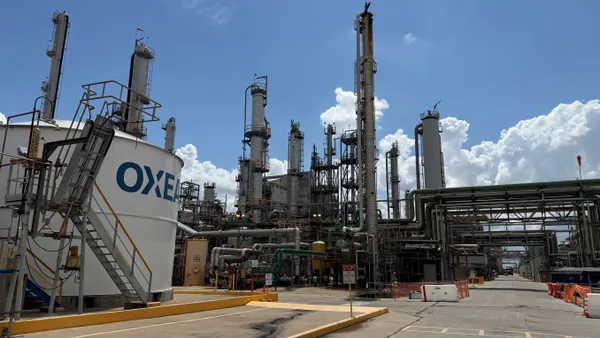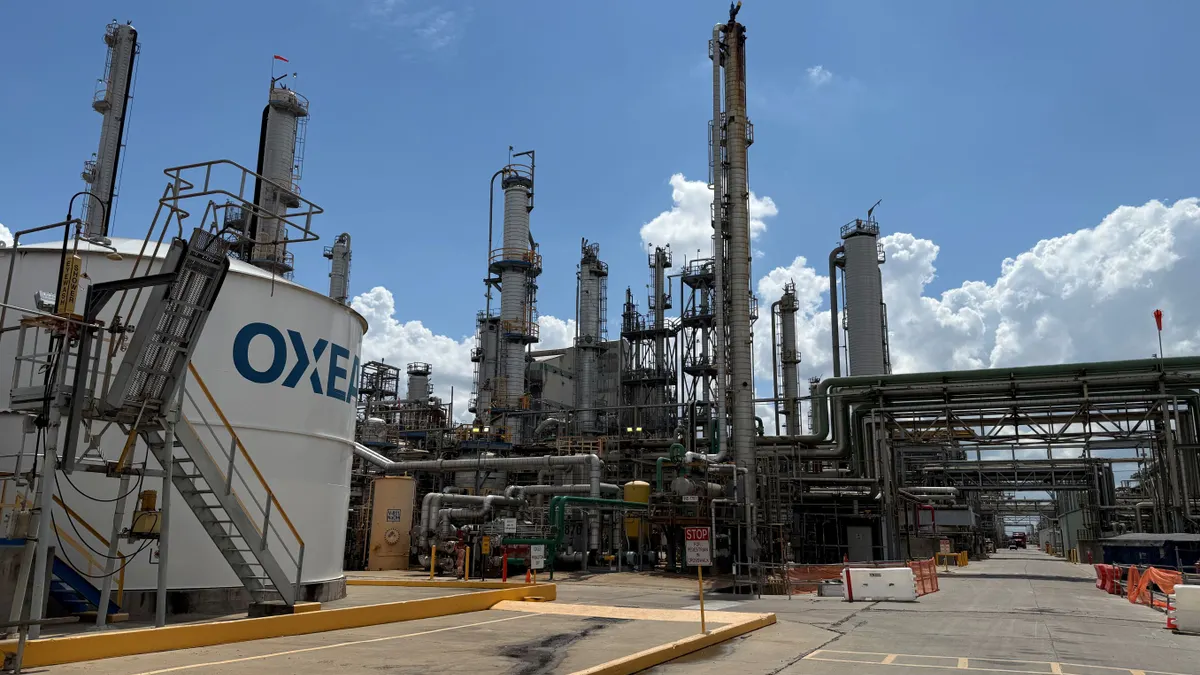
Global chemical manufacturer Oxea needed a logistics partner that would go beyond managing transportation by region but as one global network.
The company selected Uber Freight, which will provide more than outsourced transportation management by handling day-to-day transportation across truckload, rail and ocean, according to a Sept. 15 press release. The logistics company will handle the company’s logistics network that spans the U.S., Canada, Mexico and Europe.
Managing chemical logistics is complex, as moving products requires specialized equipment and handling, documentation, and coordination among plants, carriers and customers, per the release. Managing those components as one network makes it easier for Uber Freight to have a clearer view of what is happening across Oxea’s network, and make adjustments as needed.
Oxea aims to anticipate issues sooner and respond faster, Oxea’s Chief Supply Chain Officer Scott Farmer said in the release.
“What matters is the impact: a clearer, earlier view of our global network, faster identification of potential disruptions, and more reliable, proactive information for customers,” Bret Bement, VP of supply chain management at Oxea, told Supply Chain Dive in an email.
Using Uber Freight to manage its logistics operations will help Oxea provide a more reliable and predictable service, according to the press release. By identifying disruptions early on and coordinating regional and modal transportation, Uber Freight can improve on-time performance and proactive communication. Efficient routing can also help Oxea cut its carbon emissions.
“We bring technology, data and logistics expertise together to run the operation, identify issues earlier and keep improving how the network performs,” Uber Freight Chief Commercial Officer D’Andrae Larry said. “That lets OXEA stay focused on its business and its customers.”
Oxea and Uber Freight did not share further details on the data and technology. However, the logistics company offers its own transportation management solution that can be integrated into a customer’s enterprise resource planning system. Together, the systems help provide real-time shipment visibility. The TMS also provides access to Uber Freight’s public tracking portal and carrier performance dashboards.
Uber Freight also has its AI logistics platform, which provides insight and data analysis more than 20 million delivered shipments. Customers can also ask industry-specific questions and receive real-time answers that are tailored to their supply chain needs.
“Our philosophy is simple: put the work where the expertise is. We chose Uber Freight because they bring technology and logistics expertise together with a strong commitment to continuous improvement, helping us build an operation that gets better over time,” Farmer said.