Editor’s note: This story is part of an interview series highlighting women — who make up over 40% of the supply chain workforce — shaping logistics, procurement and operations.
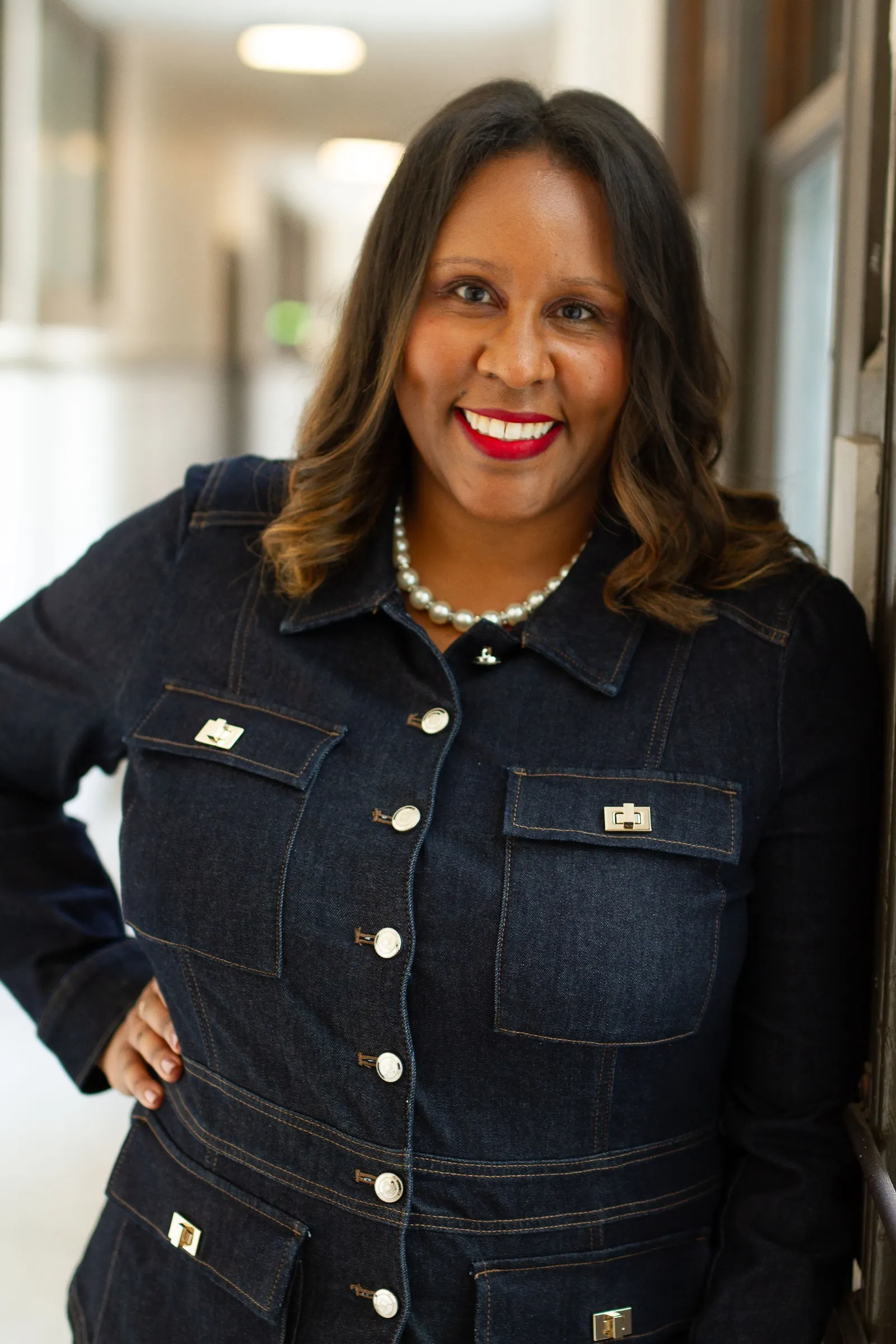
Prioritizing education and “self mastery” is only one part of growing your career — industry professionals must also intentionally open doors for the next generation of women leading supply chains, Glossier VP of Supply Chain and Operations Kinta Gates told Supply Chain Dive.
Gates has built an expansive supply chain career across various sectors, including multiple beauty brands such as The Body Shop and Thrive Causemetics, according to her LinkedIn profile. At Glossier, Gates manages teams spanning global operations and has orchestrated a global fulfillment and inventory strategy to support the brand’s shift from a direct-to-consumer model to an omnichannel focus.
While the beauty industry is her current home, Gates has embraced opportunities outside the sector, such as when she joined Mars Food in 2015 in what turned out to be a monumental moment for her career.
“I had to bet on myself in that moment,” Gates said. While she eventually ended up back in the beauty industry, Gates said her entire career shifted after she got the role at Mars, primarily because she didn’t shy away from the opportunity.
“That is a message that I give to everyone that I have an opportunity to stand in front of,” Gates said. “Please, do not be afraid to bet on yourself.”
Seek “self mastery”
Gates always puts herself in positions to learn, an approach that has fueled her career trajectory considerably. However, as she pursues “self mastery,” she does not believe success only comes from being 100% knowledgeable or fluent in a particular concept.
“And so I have to be very confident in what I know and who I am,” Gates said. “There's no arrogance in that.”
"I want to make sure that I am opening myself up to be that partner in someone else's success.”

Kinta Gates
Glossier VP of supply chain and operations
Gates’ approach to learning, which is built on finding opportunities to master new and varied subject matter, is how she ended up with three degrees, including one in industrial engineering, as she wanted to go beyond certifications and webinars.
“I am doing what I need to do to always stay relevant from a knowledge perspective, just so that I can continue to hit my high marks that I set for myself but also give that to my team or the people that I mentor as well,” Gates said, noting that she ensures she has the proper mentors for herself as well.
Kick the door down
Diverse representation in the supply chain matters deeply to Gates, who is less focused on where the industry is now than where it can be.
“My question and my kind of call to action is: what are you doing to replace you?” Gates said. “And that is the posture that I take, which is why I love opening up my calendar.”
She encourages professionals to intentionally place themselves in front of people to help expose them to new career opportunities and possibilities. Gates herself moderated a panel earlier this year at Spelman College, a historically Black college and university, during its third annual Black Beauty STEMinist Summit, a conference focused on highlighting and uplifting Black women in the beauty and personal care industry.
“When I go through the door, I want to kick the door off the hinges — I don't want to be the last Black woman that's invited in the room,” Gates said. “I've got people behind me that I have a responsibility to bring them forward. That type of intention is the only thing that's going to shift narratives, and that's going to shift the numbers, and that’s just the way that I move.”
In a 2025 Women in Supply Chain Report, global research and advisory company Gartner stated that the industry has “gone beyond a plateau into a decline” in terms of women advancing in supply chain leadership roles. Additionally, while women of underrepresented races and ethnicities made up a larger share of the total supply chain workforce in 2025 than any of the previous four years, they held fewer C-suite and VP-level roles than the year before.
“When I go through the door, I want to kick the door off the hinges — I don't want to be the last Black woman that's invited in the room."
Kinta Gates
Glossier VP of supply chain and operations
“Should this continue we expect flat at best and possibly softer pipelines in 2026 and beyond, and a real struggle in general to attract and retain women, but also Gen Z in general and all employees of underrepresented backgrounds,” Gartner reported.
Gates takes it as a responsibility to disrupt the downward trend, stating that it is up to industry professionals to intentionally ensure that supply chain opportunities and careers are available to a wider range of candidates, particularly women, regardless of race.
“If I'm nothing, I'm disruptive everywhere I go, and disruptive for the good, and I will never apologize for that, because I did not get to this level of success by myself,” Gates said. “And so, I want to make sure that I am opening myself up to be that partner in someone else's success.