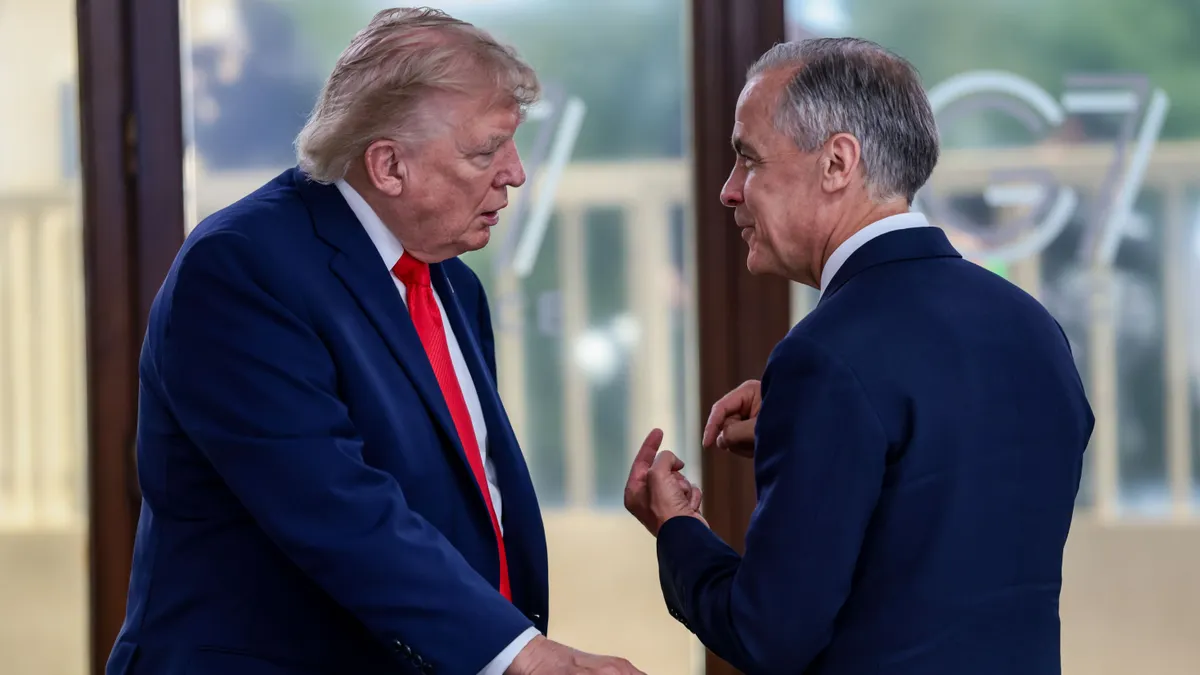
The United States has delayed the implementation of 50% tariffs on a range of goods from Canada that were meant to go into effect Wednesday by three days, according to a proclamation signed by President Donald Trump.
The promised levies, which Trump ordered in a trio of proclamations last month to address alleged unfair trade practices of Canada related to motor vehicles, dairy and alcohol, will now go into effect Aug. 22, per the proclamation.
Trump pushed back the implementation date back because “Canada has expressed a commitment to remove the discriminations or unreasonable and unequal impositions at issue,” the missive says. The president also indicated on Truth Social that the two countries are close to finalizing a deal, although he did not provide any specifics.
“I have paused the 50% Tariffs against Canada, that were scheduled to kick in tomorrow morning for a three day period, based on the fact that Canada and the U.S.A., subject to the finalization of documents, have a DEAL!” Trump said.
The now paused Section 338 levies are specifically aimed at raw agricultural and natural materials, chemicals, textiles, consumer goods, wood products, paper, machinery and tools, among other goods. The duties had been looming for nearly a month, but negotiations between the two countries over the tariffs intensified in recent weeks.
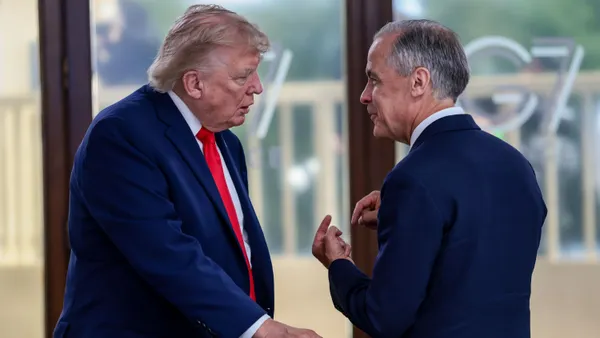
“Substantial progress has been made, although there is important work still to be done,” Canada Prime Minister Mark Carney said in a statement Tuesday.
Although they have been put on pause, the latest tariff orders from Trump added a new chapter to what has become a complicated relationship between the two North American powers.
While Canada exports have been shielded from some tariffs the U.S. has levied during Trump’s second term thanks to the United States-Mexico-Canada Agreement, it has not escaped their impact entirely, including from Section 232 duties on automobiles and steel and aluminum.
In response, Canada has pushed back against Trump’s trade policies with retaliatory tariffs, including a 25% duty on car exports from the U.S. that do not qualify for preferential duty-free treatment under the USMCA. Multiple provinces have also maintained a ban for more than a year on U.S. alcohol imports.
“Let’s see if these Section 338 tariffs on Canada ever get activated,” Deborah Elms, head of trade policy at the Hinrich Foundation, said on LinkedIn. “But it does highlight the continued uncertainty in shipping to the United States. If tariffs might be zero or might be 50%, it’s no surprise that firms feel paralyzed.”
The trade spat between the U.S. and Canada has occurred in parallel with USMCA negotiations over the last year. The U.S. declined to extend the free trade agreement earlier this summer, triggering an annual review process that could last up to 10 years. While all three countries involved in the deal conducted preliminary talks ahead of a July 1 deadline to extend the pact, the U.S. and Mexico have returned to the negotiating table already for bilateral discussions.