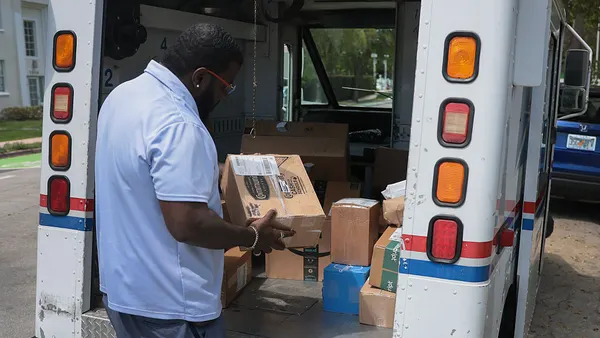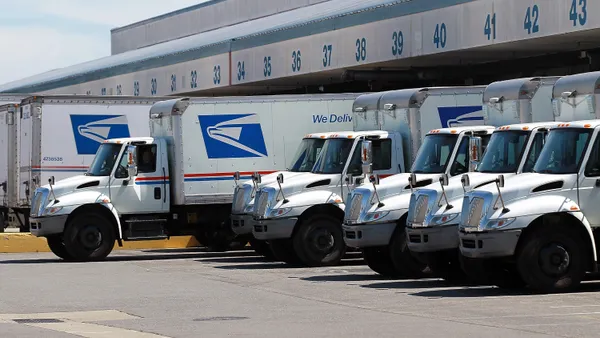

As online orders climb, warehouses fill up, delivery windows tighten, and production schedules leave little room for error, a single staffing gap can quickly ripple through the entire operation. A short-handed production floor can slow an order. A warehouse without enough associates can miss fulfillment windows. A logistics team stretched thin can feel the impact across every shipment that follows.
For supply chain companies heading into the end-of-year hiring ramp-up, the issue isn’t simply whether they need more people. Many already do. The bigger question is how quickly they can find workers who are ready to step in, learn fast, and keep goods moving.
That’s why contract work is no longer just a temporary fix. Used strategically, it can be a practical workforce solution for companies trying to stay ahead of shifting labor needs.
A recent Express Employment Professionals-Harris Poll survey found most hiring managers are optimistic about hiring for the remainder of 2026, with many planning to add employees in the second half of the year. But optimism is running into a familiar obstacle: open jobs are not always easy to fill, especially when companies need qualified candidates who can contribute quickly.
Supply chain employers know this pressure well. Manufacturing, warehousing, fulfillment, and logistics roles often require reliability, attention to detail, teamwork, and the ability to perform in fast-moving environments. During peak business periods, there is little room for a long hiring process or a prolonged search for the perfect candidate.
For employers, contract staffing offers flexibility in a time of year defined by unpredictability. Order volume can rise faster than expected. Employees may need time off. Customer expectations can shift overnight. Businesses may also be cautious about adding permanent headcount before knowing whether demand will last beyond the season. Contract workers allow companies to respond without overextending existing teams or letting productivity slip.
In practical terms, that could mean helping a warehouse meet its fulfillment goals, supporting a production line through a surge, or providing a logistics company with sufficient staffing coverage to maintain delivery schedules. The benefit shows up in fewer delays, less burnout, and more room to meet customer demand.
The value of contract work is not limited to employers. It can also give job seekers something many are struggling to find right now: a foot in the door.
The same survey found many workers expect a difficult job search, with some citing being underqualified as a barrier to landing the roles they want. Contract and seasonal jobs can help turn that challenge into an opportunity. Rather than waiting for the ideal full-time opening, job seekers can use short-term roles to build experience, develop confidence, and show employers what they can do.
That matters because supply chain jobs often teach skills that carry over well beyond a single assignment. A seasonal role in a warehouse can build time-management and teamwork skills. A contract position in manufacturing can sharpen dependability and problem-solving. A logistics assignment can teach communication, adaptability, and how to perform under pressure.
Those are not throwaway skills. They are the building blocks of long-term employability, and for some workers, they can be the difference between being overlooked and being ready for the next opportunity.
Seasonal work is especially relevant as companies prepare for the final months of the year. Online shopping, year-end production pushes, inventory needs, and customer expectations can turn this period into a major test for fulfillment centers, warehouses, manufacturers, and delivery operations. Seasonal workers can help companies manage the surge without overwhelming permanent staff, while job seekers can earn income, gain experience, build connections, and, in some cases, find a path to full-time work.
That is what makes contract and seasonal staffing such a strong fit for the current labor market. Employers need dependable workers before demand peaks. Job seekers need accessible ways to gain qualifications and prove themselves. Flexible work can meet both needs at once.
Staffing companies can help make that connection more efficient. For businesses, a partner like Express Employment Professionals can reduce the time and cost of recruiting, screening, and onboarding workers during critical demand periods. For job seekers, staffing professionals can serve as advocates, matching people with opportunities that align with their skills, goals, and availability, and connecting them to roles they might not have found on their own.
In a season where every order, shipment, and deadline counts, the right people can keep the entire chain moving. For many supply chain companies, contract workers may be the year-end advantage hiding in plain sight.